# Heat and Humidity Performance: How Pine Boards Handle Climate Changes
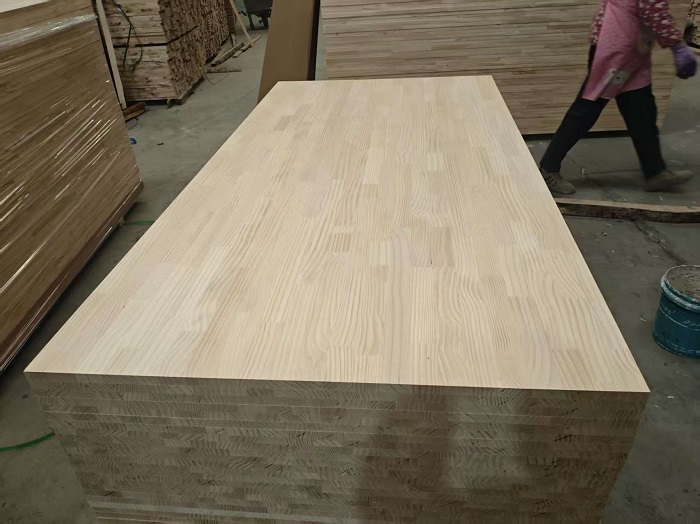
Pine is one of the most popular materials in woodworking and construction, valued for its affordability, natural beauty, and ease of use. While pine boards are often chosen for furniture, interior trim, shelving, and paneling, many people wonder how well they stand up to heat and humidity. Understanding how pine reacts to environmental changes is essential for anyone planning to use it in a home, workshop, or any place where temperature and moisture levels fluctuate.
Wood is a living, organic material—even after it’s been cut, milled, and finished. It continues to respond to the atmosphere around it. Pine is no exception, though its behavior varies depending on how it was dried, processed, sealed, and installed. With proper handling, it can perform surprisingly well across seasonal changes. Without it, pine can warp, swell, shrink, or show cosmetic issues that affect both appearance and function.
This detailed look explores how pine boards handle climate changes and how to get the most stable performance from them.
Why Heat and Humidity Affect Wood
Before diving into pine specifically, it helps to understand why wood reacts to environmental differences. Wood fibers act like tiny straws capable of holding and releasing moisture. Even once a board is fully dried, it still contains bound water that adjusts based on humidity levels in the surrounding air.
When humidity increases:
Wood absorbs moisture
Fibers swell
Boards expand across the grain
When humidity decreases:
Wood releases moisture
Fibers shrink
Boards contract
Heat alone isn’t usually the issue—it's heat combined with humidity changes that causes most wood movement. Warm air can hold more moisture, meaning it often goes hand in hand with higher humidity.
Knowing this, the goal isn’t to prevent wood movement entirely. Instead, it’s about reducing excessive movement so the boards remain functional and visually attractive.
How Pine Boards Respond to Moisture
Pine varies slightly based on species—southern yellow pine, eastern white pine, radiata pine, and others each have unique characteristics. However, most pine types share similar reactions to humidity.
Swelling Across the Grain
Pine expands more in width than in length. This is typical for all wood species, but pine tends to react more noticeably than many hardwoods.
For example:
A 200 mm wide board may expand by a few millimeters in humid seasons.
Length changes are usually negligible.
This cross-grain expansion is the most important factor to consider for flooring, paneling, or tightly fitted shelves.
Softness Increases Moisture Absorption
Pine is a softwood, which means it has a more open cellular structure than dense hardwoods like maple or oak. This makes it:
Quicker to absorb moisture
More reactive to dramatic humidity changes
More prone to swelling and shrinking if left unfinished
Proper surface treatment can dramatically reduce these tendencies.
Tendency to Warp or Cup
When one side of a pine board absorbs more moisture than the other, the fibers expand unevenly. This can cause:
Cupping – where the edges curl upward
Bowing – where the board bends along its length
Twisting – caused by uneven grain stresses
Warping isn’t exclusive to pine, but pine is more vulnerable when stored or installed in uncontrolled climates.
How Heat Influences Pine Boards
Heat plays a secondary role to moisture but still matters.
Increased Drying
In dry, heated environments—especially those with artificial heating—pine boards may lose moisture quickly. This can cause:
Shrinkage
Small gaps in joins
Slight cracking near knots
Raised wood grain
Furniture placed near vents or radiators is especially prone to these issues.
Resins and Sap Movement
Some pine species contain more sap than others. High temperatures can cause residual sap to migrate, appearing as sticky spots in knots. This is mostly a cosmetic issue but can show up under paint or clear coats if not properly sealed.
Performance in Different Environments
Pine’s behavior changes significantly depending on the climate. Here’s how it generally performs in common home settings.
High-Humidity Regions
In areas near the coast or regions with long, humid summers, pine boards tend to:
Absorb moisture rapidly
Expand across the grain
Show cupping if unsealed or improperly stored
Storing pine indoors before installation and allowing acclimation can reduce long-term movement.
Dry or Desert Climates
In low-humidity environments, pine boards may:
Dry out excessively
Shrink slightly
Develop small hairline cracks
Humidifiers help maintain a consistent interior environment, lowering the risk of shrinkage during dry seasons.
Spaces with Extreme Temperature Shifts
Garages, sheds, or seasonal cabins experience wide temperature fluctuations. Pine boards in these areas may:
Warp due to moisture cycling
Expand and contract enough to cause joint separation
Require more maintenance
Using plywood, engineered pine products, or fully sealed boards is often a better choice for such environments.
The Role of Milling and Drying
A key factor in pine’s performance is how the wood was dried.
Kiln-Dried Pine
Kiln drying reduces moisture content quickly and evenly. Benefits include:
Lower risk of warping
More predictable movement
Better behavior in interior environments
Most pine sold for furniture or trim work is kiln dried.
Air-Dried Pine
Air-dried boards contain more moisture initially:
They may move more during the first year indoors
They adapt slowly to interior humidity
They require longer acclimation times
Air-dried pine is often chosen for rustic or traditional projects but is less predictable than kiln-dried stock.
Finish and Sealers: Essential for Moisture Control
One of the simplest ways to help pine boards manage climate changes is proper finishing. A good finish slows moisture absorption and release, giving boards more stability.
Paint
Paint is one of the most effective moisture barriers for pine. It:
Seals the surface thoroughly
Reduces expansion and contraction
Hides knots and differences in grain tone
Multiple coats with a primer underneath offer the best protection.
Clear Finishes
If you prefer the natural look, clear finishes such as varnish, polyurethane, or lacquer help seal the wood. They:
Provide moderate moisture resistance
Maintain the pine’s warm tone
Strengthen the surface against minor dents
Oil-based finishes typically offer slightly better moisture resistance than water-based ones.
Sealing All Sides
To maximize stability, apply finish to:
The front
The back
All edges
End grain
Sealing only one face can contribute to uneven moisture absorption, encouraging cupping.
Installation Practices That Improve Stability
Even well‑finished pine can shift if installed improperly. Several practices help reduce the risk:
Allow Acclimation
Let pine boards sit indoors for several days before installation. This allows them to adjust to the room’s humidity level.
Provide Expansion Space
When installing paneling or boards side-by-side, leave a small gap for expansion. Tight installations are more likely to buckle or push against each other during humid seasons.
Use Proper Fasteners
Fasteners should allow slight movement:
Trim nails and brad nails work well for interior molding
Screws help anchor shelving but shouldn’t prevent natural expansion
Avoid over-tightening.
Reinforce Wider Boards
Wider pine boards (200 mm or more) are naturally more prone to cupping. Battens, brackets, or stiffening strips help keep them flat.
Pine vs. Other Materials in Climate Performance
Comparing pine to other common materials helps frame expectations.
Pine vs. Hardwood
Hardwoods tend to:
Move less in response to humidity
Be denser and more stable
Resist dents more effectively
However, they cost significantly more.
Pine vs. Plywood
Plywood outperforms pine in climate stability:
Layers alternate grain direction
Reduced warping and swelling
Better choice for strong shelving or cabinet boxes
Finger-jointed pine also offers improved stability compared to solid pine boards.
Pine vs. MDF
MDF reacts strongly to moisture:
Swells permanently if water penetrates
Can deform in high humidity
Performs best only in climate-controlled environments
Pine handles humidity better, especially if sealed properly.
Long-Term Expectations
With reasonable care, pine boards hold up well across seasonal changes. You can expect:
Minor expansion and contraction year-round
Occasional small gaps in trim during dry months
A generally stable structure if properly installed
Smooth performance if sealed and acclimated correctly
Pine’s adaptability, affordability, and charm make it suitable for a wide range of applications, provided its natural tendencies are respected.
A Reliable Material with Predictable Behavior
[Finger joint pine plywood](https://www.bambooindustry.com/blog/finger-joint-pine-plywood-a-thorough-guide.html) respond to heat and humidity just like any natural wood product—by absorbing and releasing moisture. What sets pine apart is how manageable these changes are with proper finishing, installation, and environmental care. While not as stable as engineered wood or dense hardwoods, pine remains dependable when the basics of moisture control are observed.
For anyone planning furniture, trim, shelving, or interior projects, understanding how pine handles climate shifts helps ensure long-lasting performance and fewer surprises as the seasons change. Whether used in modern homes or traditional spaces, pine continues to prove that it can offer both beauty and practicality—provided it’s treated with the respect that all natural wood deserves.