# Healthy Hair Habits for Managing Thinning and Shedding

Hair thinning can be difficult to deal with, especially when changes happen slowly. You may notice more strands on your pillow, extra hair in the shower, or a ponytail that feels less full than before. While some daily shedding is normal, ongoing changes can make you wonder what you can do differently. A consistent routine can help keep the scalp clean, reduce unnecessary damage, and support healthier-looking hair over time.
## Start With Better Everyday Hair Care
One of the simplest places to begin is your washing routine. Choosing [hair shampoo for hair loss](https://hairformulas.ie/) should not be about finding the strongest formula available. A good shampoo should suit your scalp, cleanse away excess oil and buildup, and leave the hair feeling comfortable rather than dry or rough. Washing too aggressively or using very hot water can also make the hair feel weaker, so gentle handling is important.
### Be Gentle When Washing
When shampooing, use your fingertips rather than your fingernails and massage the scalp without excessive pressure. There is no need to scrub the hair lengths repeatedly. Let the cleanser work through the scalp before rinsing thoroughly.
How often you wash depends on your scalp and lifestyle. Someone with an oily scalp may need more frequent washing, while a dry scalp may feel better with less frequent cleansing. The goal is to find a routine that keeps the scalp fresh without leaving it irritated.
### Pay Attention to Daily Hair Habits
Hair can become fragile when it is repeatedly exposed to heat, tight hairstyles, chemical treatments, or rough brushing. Small changes can make a difference. Avoid pulling hair tightly into the same style every day, and allow it to dry naturally when practical.
Use a wide-tooth comb when the hair is wet and avoid forcefully brushing through knots. If you use heated styling tools, keeping the temperature moderate and limiting frequent use can help reduce unnecessary stress on the strands.
## Nutrition and Lifestyle Matter Too
Hair care is not only about products. The body needs adequate nutrition to support normal hair growth and maintenance. A varied diet containing protein, iron, zinc, vitamins, and healthy fats can contribute to overall hair health.
Skipping meals or following restrictive diets for long periods may make it harder to meet nutritional needs. Staying hydrated and maintaining regular meals can also support general wellbeing.
Stress is another factor worth considering. Periods of significant stress may sometimes be followed by increased shedding. Getting enough sleep, staying physically active, and making time to relax can be useful parts of a healthy routine.
## Understanding Treatment Options
If thinning continues despite improving your everyday habits, it may be worth speaking with a healthcare professional or qualified hair specialist. Hair loss can have many possible causes, including hereditary factors, hormonal changes, nutritional deficiencies, illness, medications, and certain scalp conditions.
### Medical Treatments Need Careful Consideration
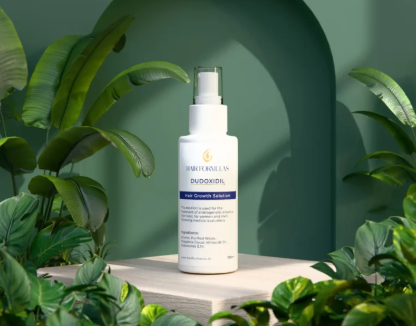
Some prescription treatments work by influencing hormonal pathways involved in hair loss. [Dutasteride for hair loss](https://hairformulas.ie/product/dudoxidil/) is one option that may be discussed in certain circumstances, but it is not suitable for everyone and should only be considered with appropriate medical guidance.
Before starting any medication, it is important to understand how it works, possible side effects, interactions, and whether it is appropriate for your individual situation. A professional can help determine whether treatment is suitable rather than relying on assumptions based only on the appearance of thinning.
### Give Your Routine Time
Hair does not change overnight. Whether you are improving scalp care, adjusting your diet, or following a treatment recommended by a professional, consistency is important. Constantly switching products can also make it difficult to understand what is actually helping.
Take occasional photos in similar lighting if you want to monitor visible changes. This can provide a more useful comparison than checking your hair in the mirror every day.
## When to Seek Professional Advice
Sudden or severe hair shedding deserves attention, particularly when it appears alongside scalp discomfort, bald patches, redness, scaling, or other unusual changes. A professional assessment can help identify possible causes and guide the next step.
If thinning has been gradual, you can still seek advice if it is affecting your confidence or becoming more noticeable. Early attention may help you understand what is happening and avoid spending money on unsuitable products or routines.
### Avoid Overcomplicating Hair Care
A long list of products is not necessarily better. Start with basic scalp hygiene, gentle handling, balanced nutrition, and sensible styling habits. If additional treatment is appropriate, introduce it carefully and follow professional instructions.

The scalp should also be treated with care when using tools or treatments intended to stimulate it. For example, [derma roller hair loss](https://hairformulas.ie/product/derma-roller-for-hair-growth/) routines should not be approached casually, because incorrect technique, excessive pressure, poor hygiene, or unsuitable use can irritate or damage the scalp.
## Conclusion
Managing thinning hair is usually easier when you focus on consistent, sensible habits instead of searching for a quick fix. Gentle washing, careful styling, good nutrition, scalp care, and professional guidance when needed can all play a role in maintaining healthier-looking hair. The right approach depends on why the thinning is happening, so understanding the cause is an important first step before adding new treatments to your routine.
## Frequently Asked Questions
**Can changing my hair routine reduce shedding?**
A gentle routine can help reduce avoidable breakage and scalp irritation, but it may not address the underlying cause of persistent hair loss. Continued or significant shedding should be assessed by a professional.
**How long does it take to notice a change?**
Hair grows slowly, so visible changes usually take time. The timeframe varies depending on the cause of thinning, the treatment being used, and individual factors. Consistency is generally more useful than frequently changing routines.
**Should I see a professional about thinning hair?**
Yes, particularly if the shedding is sudden, severe, patchy, or accompanied by scalp symptoms. Professional advice can help identify potential causes and determine whether further treatment or testing is appropriate.